

Unlocking Cellular Health: Urine Organic Acid Testing (OAT) in Mould Illness
The Urine Organic Acid Test (OAT) provides a sophisticated metabolic snapshot, assessing urinary metabolites to show how mycotoxins affect mitochondrial function, dysregulate neurotransmitter pathways, and induce intestinal dysbiosis.
Medical practitioners often deal with complex patients whose chronic fatigue, cognitive decline, and multi-systemic inflammation typically resist conventional lab tests.
When mycotoxin exposure is suspected, standard blood panels seldom provide reliable diagnostic data. This is where the evaluation of physiological destruction occurring at a cellular level is crucial.
The Urine Organic Acid Test (OAT) provides a sophisticated metabolic snapshot, assessing urinary metabolites to show how mycotoxins affect mitochondrial function, dysregulate neurotransmitter pathways, and induce intestinal dysbiosis.
Krebs Cycle and Mitochondrial Dysfunction

Mycotoxins are powerful mitochondrial poisons. When a patient presents with profound exhaustion, it is often a direct result of mitochondrial enzyme inhibition within the Citric Acid Cycle (Krebs Cycle).
Quick Recap:
Krebs Cycle: The Krebs cycle is the central hub for the chemical reactions happening inside a living cell to keep it alive and functioning. It takes broken-down pieces of carbohydrates, proteins, and fats and processes them inside the mitochondria for energy production. Any imbalance in the cycle, such as a lack of oxygen, vitamin deficiencies, or genetic flaws, instantly starves cells of energy and causes severe metabolic stress.
The OAT is able to map mitochondrial markers, allowing clinicians to look for specific blockages in cellular ATP production.
Crucial Krebs Cycle OAT Markers to Monitor
- Succinic Acid: Elevated levels often indicate a severe block in Succinic Dehydrogenase (enzyme in the Electron Transport Chain – vital for energy). This specific enzyme complex is highly sensitive to inhibition by heavy metals and nonmetal environmental toxic chemicals.
- Citric Acid: Low or low-normal citric acid typically reflects an impaired Krebs cycle. In mould-exposed patients, a depletion here strongly correlates with muscle fatigue and indicates an increased risk of systemic nutrient deficiencies.
When these downstream metabolites in biochemical pathways are disrupted, it provides an explanation that your patient’s fatigue isn’t structural or psychological, it is deeply cellular.
Gut Health, Fungal Overgrowth and Organic Acids
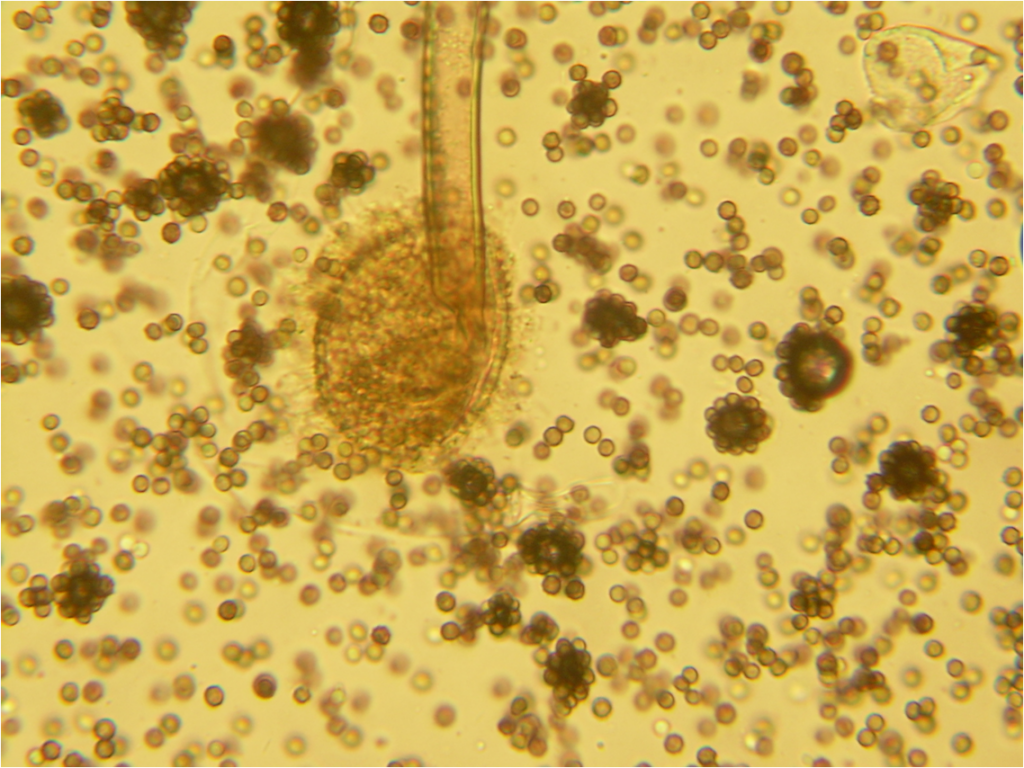
Environmental mould exposure rarely stays entirely external. Patients routinely inhale or ingest fungal spores leading to persistent colonisation of the mucosal surfaces of the GI tract and respiratory sinuses.
Organic Acid Testing features a dedicated panel for Yeast and Fungal Markers that screens for the distinct organic end-products of internal colonisation:
| Metabolite Marker | Associated Pathogen Group | Clinical Relevance |
| Tartaric Acid | Aspergillus spp. | Direct evidence of intestinal fungal overgrowth; highly disruptive to normal metabolic pathways. |
| Arabinose | Common Fungal/Yeast species | Elevated in patients with severe brain fog, memory issues, and systemic digestive complaints. |
| Tricarballylic Acid | Fusarium molds | Indicates a distinct environmental or internal exposure pattern requiring antifungal interventions. |
If these markers are elevated, treating the patient’s home environment alone will fail to resolve their symptoms. To address internal colonisation effectively, practitioners should implement a targeted strategy that combines the use of specific binders with antifungal therapies.
Neurotransmitter Dysregulation and Microbial Inhibitors
One of the most profound insights offered by the Biometrix MDX OAT is its capability to visualise how microbial and fungal byproducts directly affect human neurochemistry. Mycotoxins and co-occurring dysbiotic bacterial overgrowths (such as the Clostridia species) release metabolites that act as potent enzymatic inhibitors.
The HVA/VMA Ratio Shift
The test closely measures Homovanillic Acid (HVA) (primary dopamine metabolite) and Vanillylmandelic Acid (VMA) (metabolite of norepinephrine and epinephrine).

Clinical Pearl: A distinctively elevated HVA/VMA Ratio points directly to a blockage of the enzyme Dopamine Beta-Hydroxylase (DBH).
When DBH is inhibited by mould or bacterial toxins, dopamine cannot efficiently convert into norepinephrine. This accumulation leads to:
- Internal dopamine spikes, clinically manifesting as hyperactivity, intense anxiety, panic attacks, and sleep disturbances.
A simultaneous drop in norepinephrine, causing orthostatic intolerance, profound executive dysfunction, and brain fog.
Functional Medicine and Diagnostics
Understanding these organic acid pathways transforms how we approach patient care and overall health. Rather than guessing which binders or antimicrobials to implement, the Organic Acid Profile gives you the exact biological roadmap needed to formulate precise protocols from a root cause.
In our upcoming collaborative webinar with Biometrix Labs, presented by Dr. Sandeep Gupta and Dr. Amy Derksen, we will be taking a closer look into real-world case reports utilising these exact Biometrix Labs profiles.
Upcoming Webinar Event
Mould Masterclass (Part 2): Integrative Testing and Treatment

The Institute of Integrative Medicine is a global leader in the field of Integrative Medicine Education. Integrative medicine aims to be at the forefront of modern technology and new discoveries and focuses on the root cause of disease.
Want to see exactly how international guest speakers, Dr. Sandeep Gupta and Dr. Amy Derksen interpret these Biometrix Labs panels in real-world clinical cases? Register now for our upcoming joint webinar event!